Drought grips Alabama and Georgia, threatening farms and raising fire danger
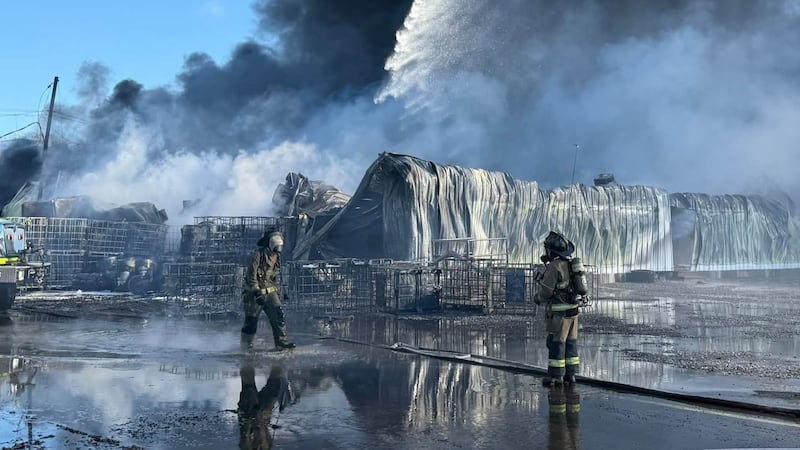
(WTVM) - Severe drought conditions are affecting parts of Alabama and Georgia, with farmers struggling to maintain moisture in fields and firefighters responding to more out-of-control grass and brush fires.
Weeks without significant rain have left ponds and low fields dry during what should be a growing season, with fire danger climbing across the region.
Amanda Jones, public information officer for the Beauregard Volunteer Fire Department, said the agency is seeing an increase in fires that spread beyond control.
“We’re seeing an uptick in out-of-control fires… It is just way too dry right now,” Jones said.
Lee County has not issued a formal burn ban, but the Alabama Fire Marshal has issued a fire alert limiting burns to certified prescribed-burn companies with permits. Residents are urged not to burn.
“The only thing I can really stress is do not burn. Wait until there’s a good rainfall. Right now, it is not safe and it can endanger homes, buildings, and lives,” Jones said.
Farmers face losses
The drought is creating financial hardship for farmers. Water levels in creeks and ponds are dropping in parts of the state, soil is hardening, and seeds planted in the ground may not germinate until the next rainfall.
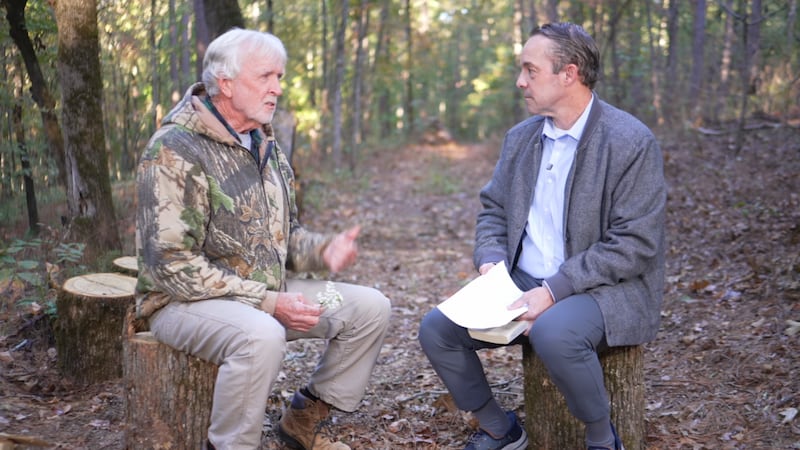
Garrett Dixon, owner of Dixon Farms, said dry conditions make field preparation more difficult.
“When the ground gets really dry, it gets really hard… that makes getting the ground ready to plant more difficult. And if there’s no moisture where we place the seed… the crop can’t germinate until we get a rain,” Dixon said.
The USDA has designated 30 Alabama counties as primary disaster areas, opening access to loans that can help farmers replace lost livestock or equipment.
Farmers in the designated counties are eligible to apply for Farm Service Agency emergency loans. The loans can be used to restore or replace essential property, cover production costs, pay essential family living expenses, refinance certain disaster-related debts and reorganize farming operations.
The maximum loan amount is up to 100% of actual production or physical losses, with a cap of $500,000. Emergency loan interest rates are set by the FSA and are typically lower than conventional loan rates.
Repayment terms vary according to the loan purpose and the applicant’s ability to repay. Loans for crop, livestock and non-real estate losses are typically repaid within one to seven years, while loans for physical losses to real estate can be repaid up to 40 years.
The Farm Service Agency considers each emergency loan application on its own merits, including the extent of production losses on the farm and the operator’s security and repayment ability.
Despite high fuel costs, higher fertilizer prices and one of the driest springs on record, Dixon said farmers remain optimistic.
“We’ve been through tough times before, and even though we’re going through some right now, there’s always a tough time before good times come back. So, hopefully, we get closer to some good times,” Dixon said.
Copyright 2026 WTVM. All rights reserved.